ShubPac is a subsidiary of SGM Paper Products. In 2024, Big Leap built the new brand identity and carried it consistently across a corporate film, always-on social media and a new website.
ShubPac is a subsidiary of SGM Paper Products, a paper-packaging manufacturer in IMT Manesar, Gurugram. In 2024, SGM launched ShubPac as a dedicated packaging brand — a modern, reliable and scalable partner created to take that manufacturing expertise to international buyers, with a range that runs from cartons to luxury paper bags.
SGM's own story dates the business to 1993. Over three decades it has grown into a paper-packaging manufacturer serving industries in India and beyond. The ShubPac brand book records a 150,000 sq. ft. facility with a daily conversion capacity of 50 tons. The 2024 launch was not a cosmetic rename. It was a new brand, built to stand in front of global consumer brands, retailers, QSR and foodservice operators, private-label businesses, and the distributors and importers who source packaging for them.
That is a familiar problem in this packaging and labels sector, and it is easy to underestimate from inside the business. Buyers often form a view of a supplier before anyone visits the plant. They look at the identity, the film, the feed and the website. If those surfaces still speak with the parent company's voice, or each one looks like a different firm, the new brand does not land. It looks unfinished.
Consistency matters here for a second reason. A packaging supplier is, in effect, asking to carry someone else's brand on pack, on a bag, or on a carton. Buyers notice whether that supplier can carry its own. ShubPac's own positioning is simple: packaging that performs, presents and builds trust. The brief to Big Leap was therefore not four separate creative jobs. It was one launch: a complete identity that would show up the same way in the brand film, on social media, and on a rebuilt website.
These figures describe the manufacturing business behind ShubPac. They come from the ShubPac brand book Big Leap produced, not from campaign results.
ShubPac was created to take SGM's expertise to the global stage. The identity, the film and the site had to present one company — not a parent brand with an unfinished new name beside it.
A brand book that does not show up in video, social and web is only half-done. ShubPac needed the new system applied across every touchpoint buyers would actually see.
A corporate film, an always-on social presence and a new site work only if they are built to the same identity. Delivered in isolation, they compete with each other instead of compounding.

Big Leap delivered a new brand identity, a corporate video, an always-on social media presence, and a new website — all built so the 2024 launch felt like one company in every channel. The identity came first, because it is the system the film, the site and the social content have to follow.
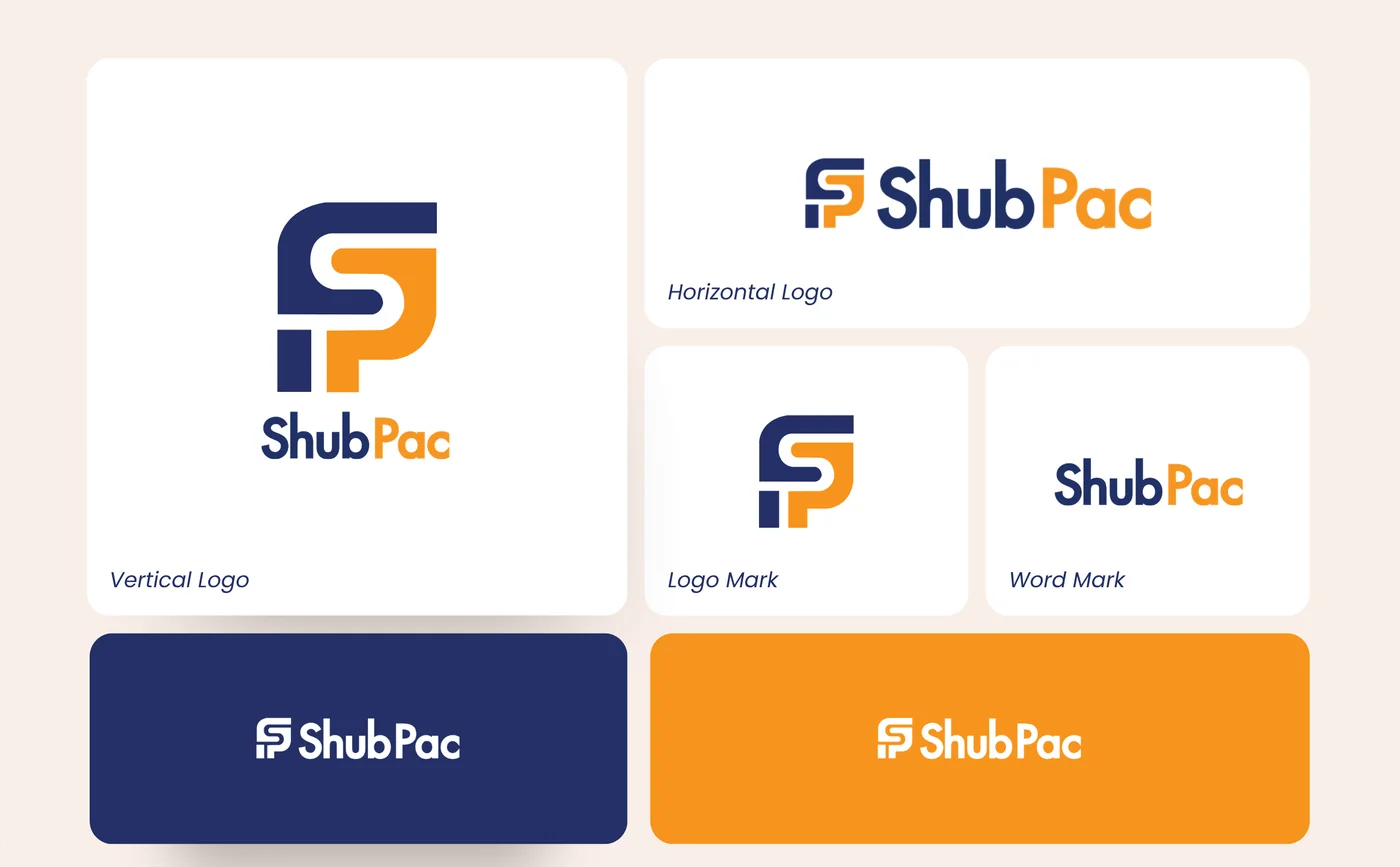
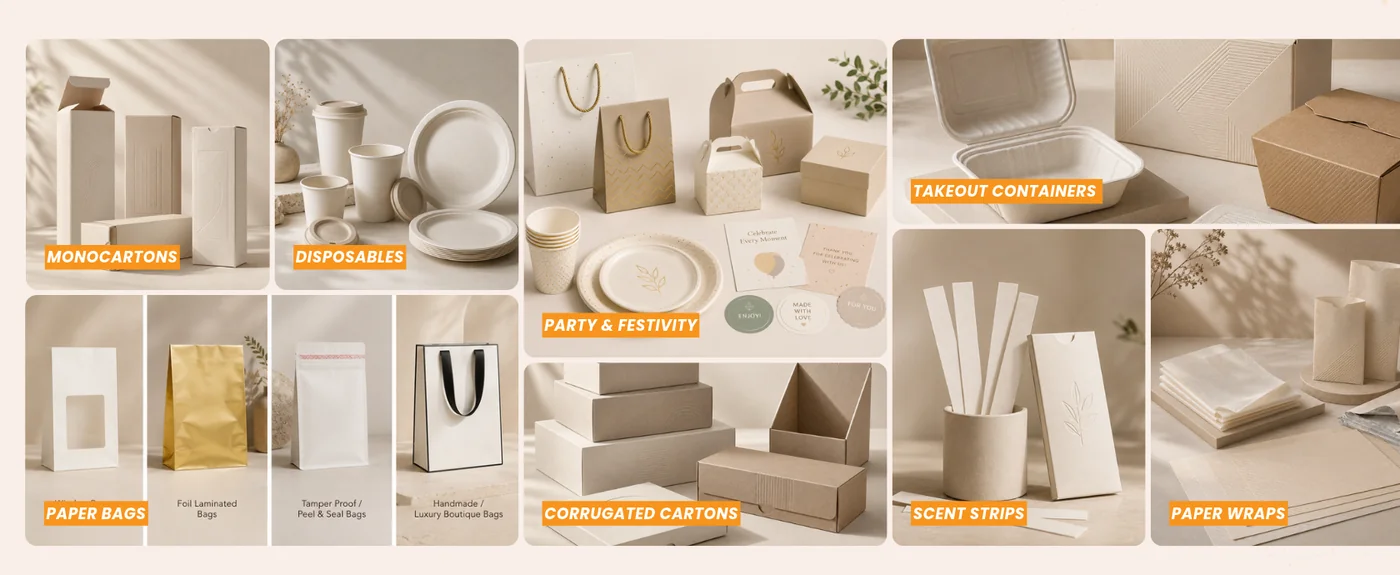
The starting point was a complete brand system for ShubPac: the story (SGM's manufacturing legacy, and ShubPac created for the global stage), the logo and its variations, colour, typography, and a voice written for international buyers — credible, direct and manufacturing-focused, rather than promotional. The identity also set how products should be photographed: real materials, finishing and structure, not generic stock. Until that system existed, a film, a website or a social calendar would each invent its own version of the company. The identity was built to be used, not just presented.
We produced a corporate brand film to introduce the new company. For a packaging manufacturer selling to overseas buyers, a film is often the first thing a procurement team watches when they want a feel for the plant, the people and the standard of work — and it is also an asset sales teams can send before a visit. The film was made to carry the new identity, not to sit beside an older look.
We rebuilt the website so it matched the new brand positioning. In practice that means a buyer who meets ShubPac in the film or on social, then clicks through, should land on a site that looks and sounds like the same company — a global packaging partner, not a local brochure. Big Leap's B2B website design work for ShubPac was therefore a launch vehicle, not a patch on an old site: structure, messaging and visual system aligned to the identity the rest of the work was built on.
We built an always-on social media presence with consistent content across every channel. A brand that appears once in a film and then goes quiet will fade. Regular, on-identity content keeps ShubPac visible between enquiries and sales conversations, and it gives the website and the film somewhere current to live. This is the same discipline we bring to B2B content marketing — content that supports how buyers actually evaluate a supplier, not a burst of launch posts that stop the week after.
The four pieces were designed to reinforce each other. The identity gave the film, the site and social a common language. The film and social sent people to a site that did not undo the first impression. And the site had current, on-brand content behind it rather than a static launch page. That is the difference between a brand that is announced and a brand that is used.
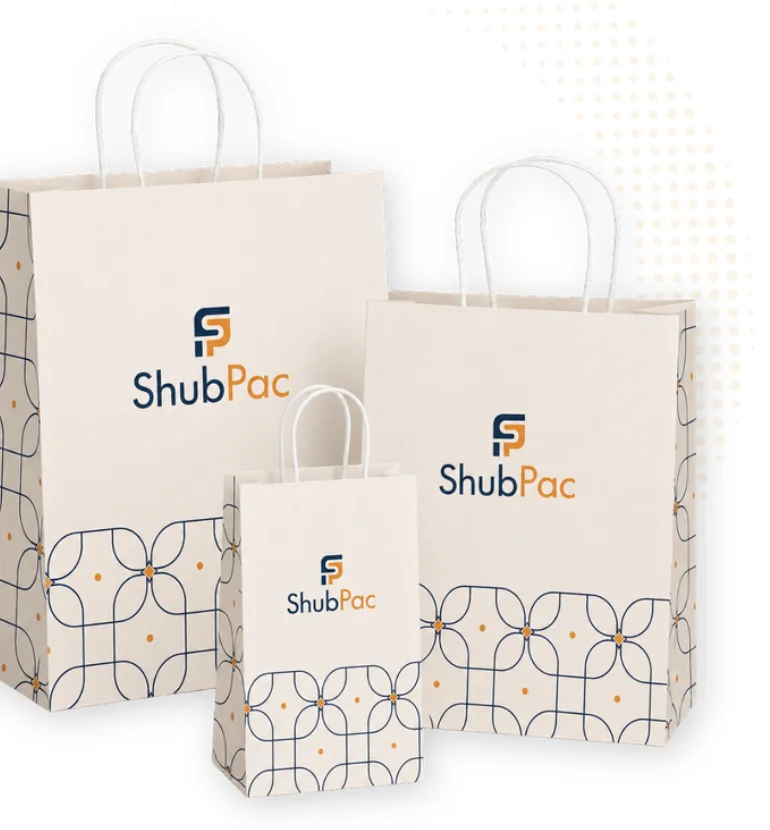
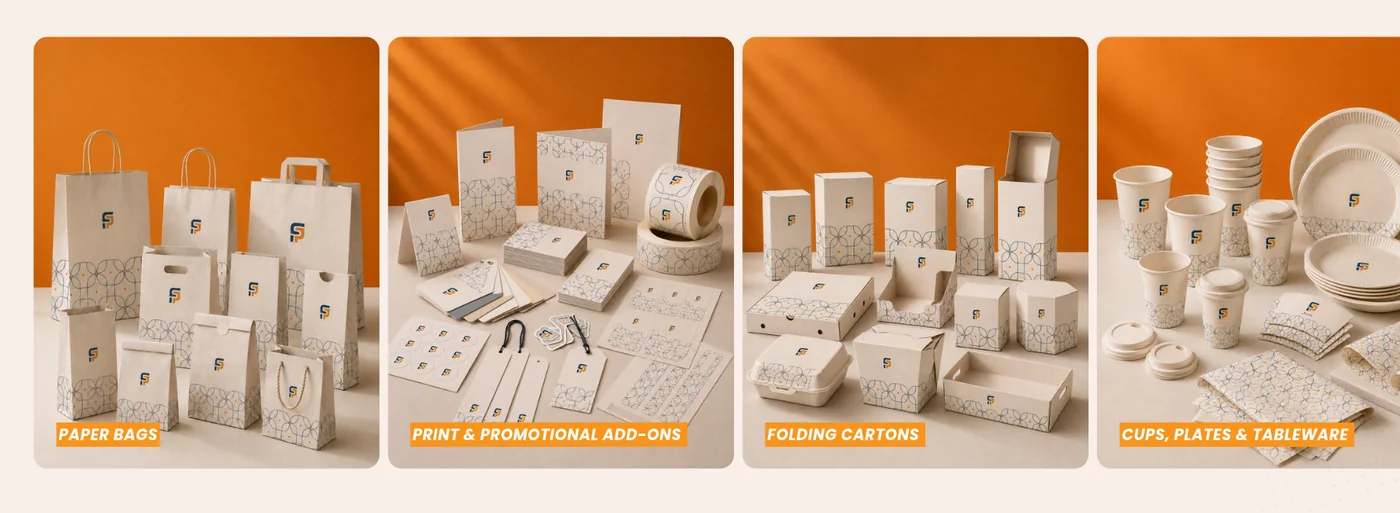
These stills are from the ShubPac brand system: the logo and its variations, the pattern and lockup on paper bags, and the product photography that shows the range — monocartons, bags, cartons, disposables, takeout packaging and tableware — in the new identity.
The outcome of the engagement is the work itself, delivered so ShubPac could put the 2024 brand in front of buyers consistently: a complete identity, a brand film, a rebuilt website, and an always-on social presence.
A complete brand system — story, logo variations, colour, typography, voice and product photography — that the video, the website and social content were all built to follow.
A brand film produced to introduce the new company — an asset buyers can watch before a conversation, and that sales teams can send with confidence that it matches the rest of the brand.
The website was rebuilt to match the new brand positioning, so a buyer moving from the film or a social post lands on a site that continues the same story.
Consistent content across every channel, so the new identity did not stop at the launch film or the new homepage — it stayed visible in the channels buyers already scroll.
This engagement combined identity, film, website and social into one coordinated launch — each piece made to carry the same brand. It is the kind of work we do as a B2B marketing agency in India for manufacturers and packaging companies that need their brand and their digital presence to say the same thing.
Book a free 30-minute strategy call. We'll look at how your identity, website and content show up to buyers — and what it would take to launch them as one system.
Book a Free Strategy Call →